Introduction
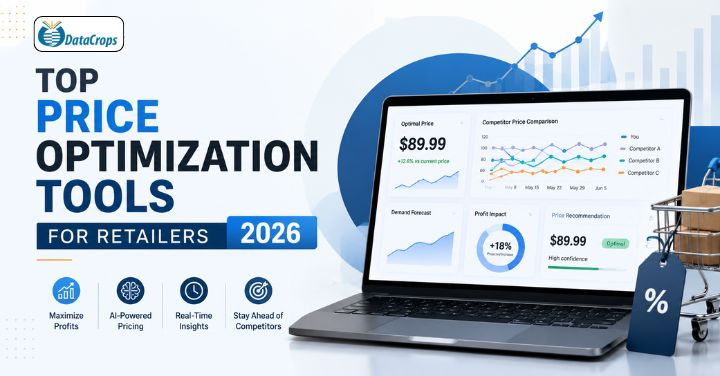
In today’s hyper competitive retail landscape, using the right price optimization tools is no longer optional; it’s essential. Retailers in 2026 are leveraging advanced pricing technology to stay ahead of competitors, maximize margins, and respond instantly to market changes.
A modern price optimization tool helps businesses analyze customer behavior, competitor pricing, demand trends, and inventory levels to set the most profitable prices automatically. Whether you're an eCommerce brand or a large retail chain, adopting these tools can significantly improve your pricing strategy and revenue.
Let’s explore the best tools, features, and strategies to help you make smarter pricing decisions.
What Are Price Optimization Tools?
Price optimization tools are pricing solutions that use data, algorithms, and AI to determine the best price for a product at any given time.
These tools consider multiple factors such as:
- Competitor pricing
- Demand fluctuations
- Customer behavior
- Inventory levels
- Market trends
Instead of manual guesswork, retailers can use a price optimization tool to automate pricing decisions and maximize profitability.
Why Retailers Need Price Optimization Tools
Retail pricing has become more dynamic than ever. Here’s why these tools are critical:
- Data driven decisions instead of intuition
- Updated price adjustments
- Improved profit margins
- Better customer conversion rates
- Automation reduces manual effort
According to industry reports, retailers using price optimization tools see a 10-15% increase in revenue and improved operational efficiency.
Key Features of Price Optimization Tool
Before choosing a tool, make sure it offers:
1. Latest Pricing Automation
Automatically adjust prices based on market conditions.
2. Competitor Price Monitoring
Track competitor pricing across platforms.
3. AI & Machine Learning Capabilities
Predict demand and recommend optimal prices.
4. Integration with eCommerce Platforms
Seamless integration with Shopify, Magento, WooCommerce, etc.
5. Analytics & Reporting
Detailed dashboards for performance tracking.
Best Price Optimization Tools for Retailers
Here are the best tools dominating the market:
1. DataCrops
DataCrops is a powerful web data extraction and price optimization tool designed for modern retailers. It combines AI driven insights with competitor monitoring.
Key Features:
- Competitor price tracking
- Automated pricing rules
- Custom dashboards
- Advanced analytics
Best For: eCommerce and retail businesses looking for scalable solutions
2. Prisync
Prisync is widely used for competitor price tracking and dynamic pricing.
Key Features:
- Competitor price monitoring
- Dynamic pricing automation
- Easy integration
Best For: Small to mid sized retailers
3. Wiser
Wiser offers advanced pricing intelligence tools for retailers.
Key Features:
- AI driven pricing strategies
- Market insights
- Retail analytics
Best For: Brands focusing on data driven pricing
4. Competera
Competera uses AI to help retailers optimize pricing across large catalogs.
Key Features:
- Demand based pricing
- AI recommendations
- Price elasticity modeling
Best For: Enterprise retailers
5. Omnia Retail
Omnia Retail is a dynamic pricing platform built for omnichannel retailers.
Key Features:
- Automated repricing
- Competitor tracking
- Rule based pricing
Best For: Multi channel retailers
6. Pricefx
Pricefx is a cloud based price optimization tool focused on enterprise level pricing.
Key Features:
- Advanced analytics
- Custom pricing models
- Integration capabilities
Best For: Large scale businesses
How to Choose the Right Price Optimization Tool
Choosing the right tool depends on your business needs. Consider:
- Business size (startup vs enterprise)
- Budget constraints
- Required features
- Integration needs
- Scalability
Pro Tip: Start with a tool that offers a free trial or demo to test its effectiveness.
Benefits of Using Price Optimization Tools
Using a price optimization tool can transform your business:
- Increased revenue and margins
- Time saving automation
- Better pricing accuracy
- Improved decision making
- Higher conversion rates
Common Mistakes to Avoid
Avoid these pitfalls when using price optimization tools:
- Over reliance on automation without strategy
- Ignoring competitor data
- Not testing pricing changes
- Poor integration with systems
Future Trends in Price Optimization Tools
The future of pricing is evolving rapidly:
- AI driven hyper personalized pricing
- Predictive analytics for demand forecasting
- Real time pricing updates
- Customer specific pricing strategies
Retailers who adopt these trends early will gain a competitive advantage.
Conclusion
In 2026, adopting the right price optimization tools can make the difference between growth and stagnation in retail. With AI driven insights, real time automation, and competitive intelligence, these tools empower businesses to make smarter pricing decisions.
Whether you're a startup or an enterprise, investing in a reliable price optimization tool will help you stay competitive, increase profits, and scale efficiently.
FAQs of Price Optimization Tools
1. What are price optimization tools?
Price optimization tools are software solutions that help businesses set optimal product prices using data, AI, and market analysis.
2. How do price optimization tools work?
They analyze competitor prices, demand, and customer behavior to recommend or automate pricing decisions.
3. Are price optimization tools worth it?
Yes, they improve profitability, efficiency, and pricing accuracy.
4. Which is the best price optimization tool in 2026?
The best tool depends on your needs, but options like DataCrops, Prisync, and Competera are highly popular.
5. Can small businesses use price optimization tools?
Yes, many tools are designed for small and mid sized businesses with affordable plans.