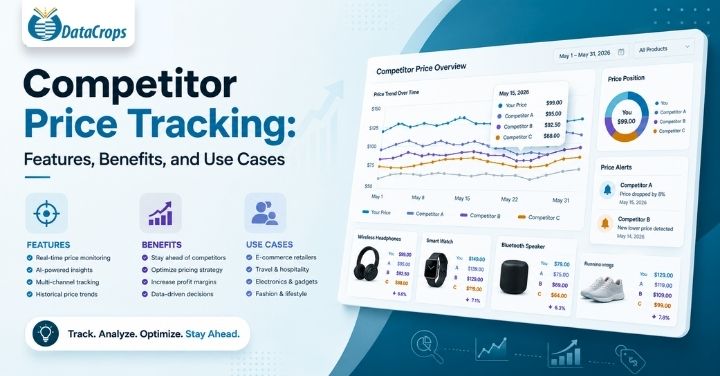
Price monitoring is an essential part of marketplace optimization. It helps you to ensure that the prices at which you’re selling your products are fair and reasonable and that you’re making the best possible margins. When done correctly, price monitoring can help you increase sales and reduce losses. In this blog post, we’ll discuss the different methods of price monitoring for marketplaces and provide a conclusion on the benefits and limitations of each. So read on to learn more about ensuring you’re getting the most out of your marketplace transactions!
What is price monitoring?
Price monitoring is the practice of tracking a product’s price throughout the marketplace to identify any changes in pricing or volume. By doing this, you can optimize your business strategy and make informed decisions about inventory, pricing, and marketing efforts. Price monitoring is an essential part of marketplace optimization, and by using the right tool for the job, you can stay ahead of the competition and increase your sales potential.
When should you initiate price monitoring?
Price monitoring is an essential part of marketplace success. It’s important to know when to start and how to keep up with the competition. To get started, monitor prices at least monthly to stay ahead of the competition and ensure you’re making the best decisions for your business. Additionally, always be prepared to react quickly if a change in market conditions affects pricing. This will help keep your business afloat!
Why is it important to monitor prices in the marketplace?
Price monitoring is an essential part of marketplace shopping. It allows you to be aware of when an item has been reduced in price and whether or not it’s a good time to buy. This is especially helpful when you’re looking for a specific item, and there’s not much stock available. In addition to checking the seller ratings and reviews, it’s also important to keep an eye on the market prices for different items. This will help you save money on your purchases. Knowing the current market prices for other things, you can make informed buying decisions.
Methods of price monitoring
Price monitoring is an essential part of being a successful Amazon seller. It’s important to find the right methods that fit your specific needs and will allow you to make informed decisions about your business. There are many methods of price monitoring, so find the one that works best for you and gets the job done. Additionally, it’s crucial to set a schedule for checking prices each day and altering your product listing when necessary. Last but not least, keep track of your sales data to make informed decisions about future marketing campaigns.
What should be my goal when using price monitoring tools?
There is no single answer since it depends on the specific situation and goals. However, price monitoring tools should generally be used to identify potential pricing irregularities and trends and to help determine whether a price change is warranted. Some common goals that might be pursued with price monitoring tools include protecting or increasing profits, detecting market manipulation, and helping to ensure fair pricing.
Conclusion
Keeping an eye on prices is essential to success in a marketplace, so keep track of what’s happening and act accordingly. Price monitoring for the marketplace is an important part of marketplace success. By monitoring fluctuations in inventory and making changes as needed, you can ensure that you’re making the most money possible.
It’s also important to use a pricing calculator to determine what your product is worth; this will help you stay on top of market trends and adjust your prices accordingly. Additionally, be prepared for potential price drops. This will help you maintain high margins and continue growing your business. Hence, take the best service as it is crucial. DataCrops is a scalable software platform that uses a powerful self enhanced technology to automatically extract information from several websites and difficult data sources. It extracts, transforms, and loads data to give the appropriate information at the appropriate time and in the appropriate manner.
FAQs of Marketplace Price Monitoring
1. What is marketplace price monitoring?
Marketplace price monitoring is the automated process of tracking product prices, discounts, promotions, availability, and other pricing information across online marketplaces. It helps retailers, brands, sellers, and marketplace operators monitor competitors and make faster, data driven pricing decisions.
2. What is marketplace price monitoring software?
Marketplace price monitoring software automatically collects and analyzes pricing data from marketplaces such as Amazon, Walmart, eBay, Target, and other ecommerce platforms. It can track competitor prices, product availability, discounts, promotions, and price changes at scale.
3. Why is price monitoring important for online marketplaces?
Price monitoring helps businesses understand competitor pricing, maintain competitive prices, identify pricing opportunities, detect significant price changes, and protect margins. Automated monitoring also reduces the time and manual effort required to collect marketplace pricing data.
4. How does marketplace price monitoring work?
Marketplace price monitoring typically works by collecting product and pricing data from selected marketplaces, matching products across sellers or platforms, detecting price changes, and delivering the information through dashboards, reports, alerts, APIs, or other data formats.
5. Can I monitor competitor prices across multiple marketplaces?
Yes. Marketplace price monitoring solutions can monitor competitor prices across multiple marketplaces from a centralized system. This allows businesses to compare pricing across platforms and identify differences in competitor pricing, promotions, and product availability.
6. What marketplace data can price monitoring software track?
Depending on the marketplace and monitoring solution, businesses can track:
- Product prices
- Sale prices
- Regular prices
- Discounts
- Promotions
- Product availability
- Stock status
- Seller information
- Product ratings
- Review counts
- Product URLs
- Product titles
- Brand information
- SKU or product identifiers
- Buy Box information
- Price history
7. Can marketplace price monitoring track price changes in real time?
Many marketplace price monitoring platforms support frequent or near real time monitoring. Monitoring frequency depends on the marketplace, product volume, data source, and configuration of the solution.
8. How often should marketplace prices be monitored?
The ideal monitoring frequency depends on your market and pricing strategy. Businesses operating in highly competitive markets may benefit from frequent monitoring, while less volatile categories may require monitoring several times per day or daily.
9. Can I receive alerts when a competitor changes their price?
Yes. Price monitoring software can be configured to identify significant price changes and trigger alerts. Businesses can use these alerts to respond quickly to competitor discounts, price increases, promotions, or other market changes.
10. Can marketplace price monitoring help with dynamic pricing?
Yes. Marketplace price monitoring provides the competitive pricing data needed to support dynamic pricing strategies. Businesses can use competitor price movements, market conditions, inventory levels, and other factors to determine when pricing adjustments may be appropriate.